





What is the battery drain of a pure sine car inverter?
- Understanding Pure Sine Wave Car Inverters: Key Considerations for Efficient Use
- 1. How Does a Pure Sine Wave Car Inverter Affect My Vehicle's Battery?
- 2. What Is the Battery Drain of a Pure Sine Wave Car Inverter?
- 3. How Can I Minimize Battery Drain When Using a Pure Sine Wave Inverter?
- 4. What Are the Key Features to Look for in a Pure Sine Wave Car Inverter?
- 5. How Do I Calculate the Runtime of My Battery with a Pure Sine Wave Inverter?
- 6. Are There Any Common Mistakes to Avoid When Using a Pure Sine Wave Car Inverter?
- 7. How Do I Choose the Right Size Pure Sine Wave Car Inverter?
- 8. How Can I Extend the Lifespan of My Pure Sine Wave Car Inverter?
Understanding Pure Sine Wave Car Inverters: Key Considerations for Efficient Use
Pure sine wave car inverters are essential devices that convert your vehicle's DC power into AC power, enabling you to operate household appliances on the go. However, it's crucial to understand their impact on your vehicle's battery and how to use them efficiently to prevent unexpected battery drain.
1. How Does a Pure Sine Wave Car Inverter Affect My Vehicle's Battery?
When your vehicle's engine is off, using a pure sine wave inverter can drain the battery, potentially leaving insufficient power to start the engine. To prevent this, it's advisable to run the engine periodically to recharge the battery while using the inverter. This practice ensures that the battery maintains a charge sufficient for both appliance operation and starting the vehicle.
2. What Is the Battery Drain of a Pure Sine Wave Car Inverter?
The battery drain depends on the inverter's efficiency and the power consumption of connected devices. For instance, a 1.5kVA inverter may consume around 20-30 watts per hour when idle. This means that even without a load, the inverter can deplete a 200Ah battery in approximately 96 hours. Therefore, it's essential to turn off the inverter when not in use to conserve battery life.
3. How Can I Minimize Battery Drain When Using a Pure Sine Wave Inverter?
To reduce battery drain, consider the following strategies:- **Use Deep Cycle Batteries:** Unlike standard car batteries, deep cycle batteries are designed for prolonged discharge and recharge cycles, making them more suitable for inverter use. - **Enable Power Save Mode:** Many inverters come with a power-saving feature that reduces energy consumption when no load is detected. Activating this mode can significantly extend battery life. - **Monitor Battery Voltage:** Regularly check the battery voltage to ensure it remains within optimal levels. If the voltage drops too low, recharge the battery promptly to prevent damage. - **Limit Appliance Usage:** Be mindful of the total wattage of appliances connected to the inverter. High-power devices can drain the battery quickly, so use them sparingly. - **Turn Off When Not in Use:** Always switch off the inverter when not powering appliances to prevent unnecessary battery drain.
4. What Are the Key Features to Look for in a Pure Sine Wave Car Inverter?
When selecting a pure sine wave car inverter, consider the following features:- **High Efficiency:** An inverter with an efficiency rating above 90% ensures minimal energy loss during the conversion process. - **Appropriate Power Rating:** Choose an inverter with a power rating that matches or exceeds the combined wattage of the appliances you intend to use, including surge requirements. - **Battery Compatibility:** Ensure the inverter is compatible with your battery type and voltage to maintain system stability and performance. - **Built-in Protection Features:** Look for inverters with protections against over-voltage, under-voltage, overload, and short circuits to safeguard both the inverter and connected devices.
5. How Do I Calculate the Runtime of My Battery with a Pure Sine Wave Inverter?
To estimate how long your battery can power a device through the inverter, use the following formula:For a 12V system:
Runtime (hours) = (10 x Battery Capacity in Ah) / (Load Power in Watts) / 2For a 24V system:
Runtime (hours) = (20 x Battery Capacity in Ah) / (Load Power in Watts) / 2For example, with a 12V 100Ah battery and a 500W load:
Runtime = (10 x 100) / 500 / 2 = 1 hourThis calculation provides a theoretical estimate; actual runtime may vary based on factors like battery age, temperature, and inverter efficiency.
6. Are There Any Common Mistakes to Avoid When Using a Pure Sine Wave Car Inverter?
Yes, common mistakes include:- **Underestimating Power Requirements:** Failing to account for the total wattage and surge power of connected devices can lead to overloading the inverter. Always calculate the combined wattage and add a safety margin. - **Ignoring Battery Maintenance:** Not monitoring battery voltage and neglecting regular recharging can shorten battery lifespan. Regularly check and maintain battery health to ensure reliable performance. - **Overlooking Efficiency Ratings:** Choosing inverters with low efficiency can result in higher energy consumption and unnecessary power loss. Opt for inverters with high-efficiency ratings to maximize energy use.
7. How Do I Choose the Right Size Pure Sine Wave Car Inverter?
To select the appropriate inverter size:- **Calculate Total Wattage:** Add up the wattage of all devices you plan to run simultaneously, including their surge requirements.- **Add a Safety Margin:** Choose an inverter with a power rating 20-30% higher than your total wattage to accommodate surge power and ensure reliable operation. - **Match Battery Voltage:** Ensure the inverter's voltage matches your vehicle's battery system (12V or 24V) to maintain system compatibility and efficiency.
8. How Can I Extend the Lifespan of My Pure Sine Wave Car Inverter?
To prolong the lifespan of your inverter:- **Regular Maintenance:** Keep the inverter clean and free from dust to prevent overheating.- **Proper Ventilation:** Ensure the inverter is installed in a well-ventilated area to dissipate heat effectively.- **Avoid Overloading:** Do not exceed the inverter's rated capacity to prevent strain and potential damage.- **Monitor Performance:** Regularly check the inverter's performance and address any issues promptly to maintain optimal functionality.
By understanding these aspects and implementing best practices, you can ensure efficient and reliable operation of your pure sine wave car inverter, providing consistent power for your vehicle's electrical needs.
About Congsin: Congsin offers a range of high-quality pure sine wave car inverters designed for optimal performance and durability. With advanced features and user-friendly designs, Congsin inverters provide reliable power solutions for your vehicle, ensuring efficiency and longevity. Choose Congsin for dependable and efficient power conversion on the go.


Products
Can it be connected to a battery long-term?
Yes, ensure good ventilation to avoid overheating.
Modified Sine Wave Inverters
What is the difference between modified sine wave and pure sine wave?
Modified sine wave is suitable for most ordinary home appliances and electronic devices; pure sine wave is suitable for devices with extremely high power requirements (such as precision instruments). This modified sine wave is more cost-effective and meets the needs of most daily scenarios.
Which types of batteries can it be used with?
It is suitable for common DC batteries such as 12V lead-acid batteries and lithium batteries. Please ensure the battery voltage matches the inverter's input voltage before use.
Does it support inductive loads?
Modified sine wave inverters are suitable for resistive loads; for inductive loads, pure sine wave models are recommended.
Pure Sine Wave Inverters
What is the reason for the inverter automatically shutting down during operation?
It is likely that the protection mechanism is triggered: 1. Load overload (total power of connected devices exceeds 1000W); 2. Abnormal input voltage (battery voltage <10.8V or >14.5V); 3. Device overtemperature (excessively high ambient temperature or cooling fan failure). It is recommended to disconnect some loads, check the battery voltage or clean the heat dissipation port before trying again.
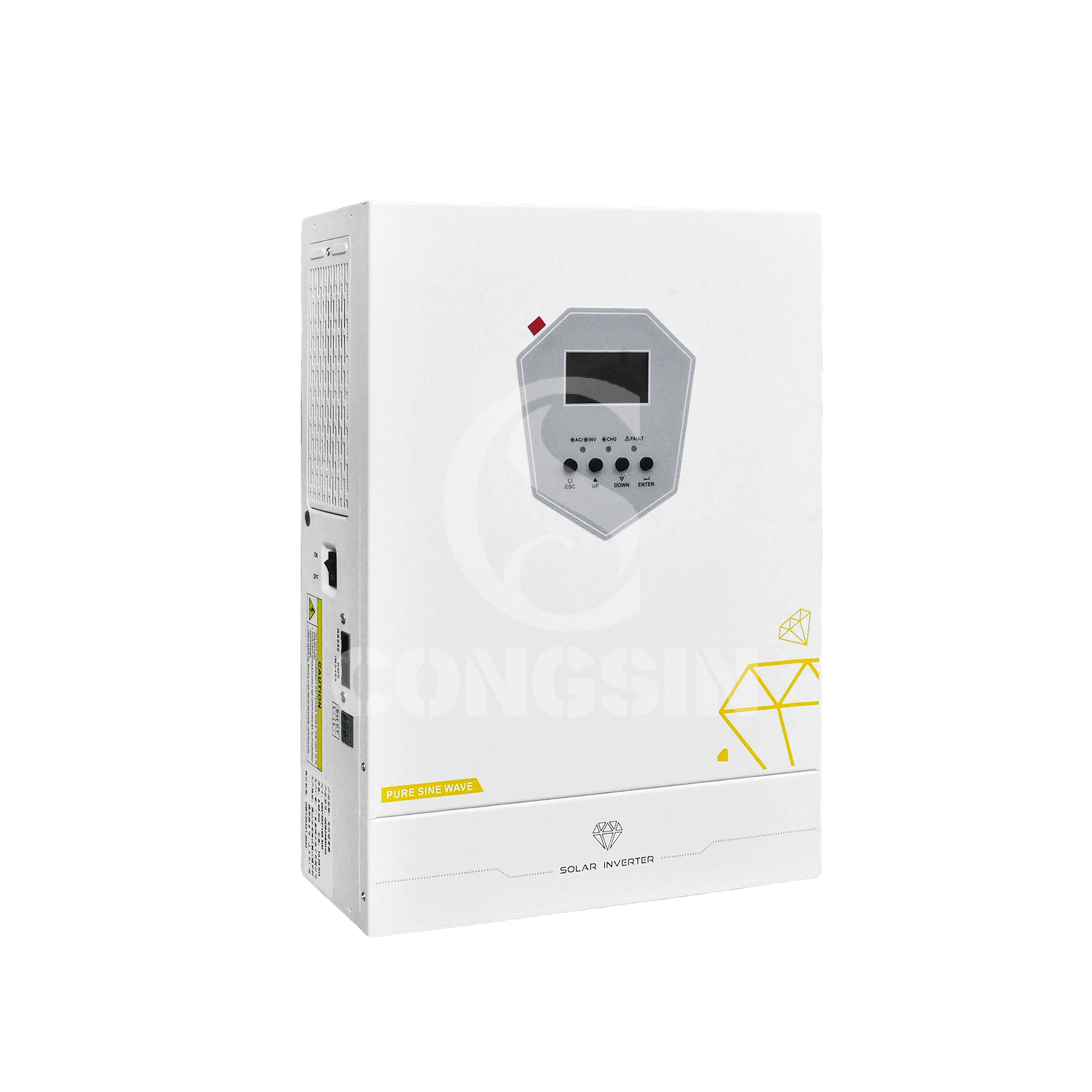
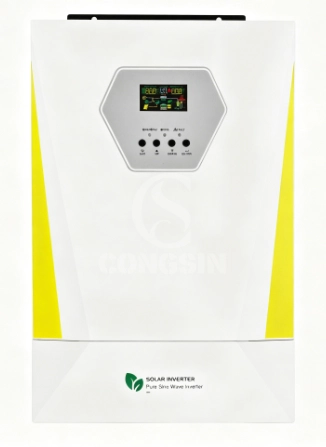
Power your solar system efficiently with the Congsin 4000W and 6000W Hybrid Inverter. Featuring an integrated MPPT Controller, this CE Certified inverter ensures optimal energy conversion. Monitor performance effortlessly via the intuitive LCD Display. Reliable, powerful, and ready for your sustainable energy needs.
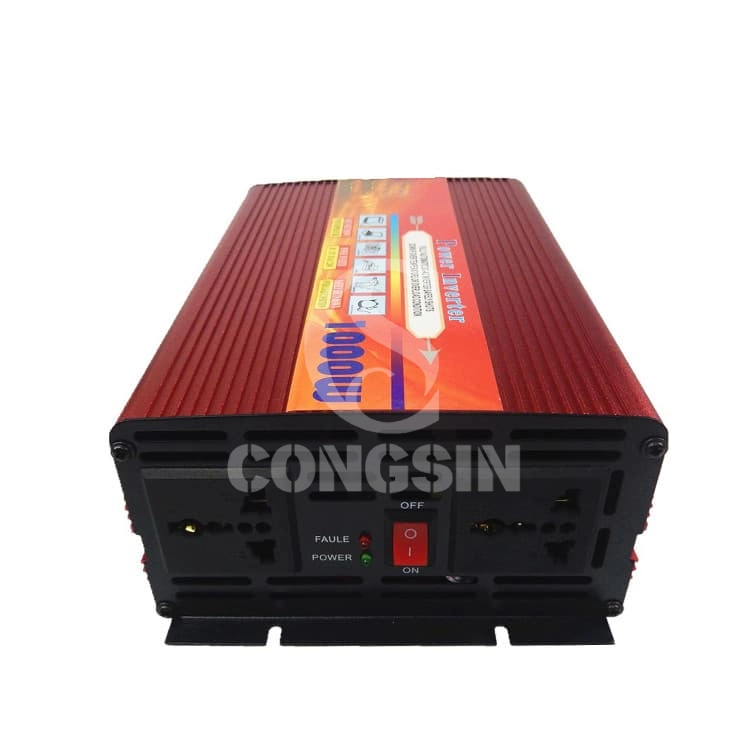
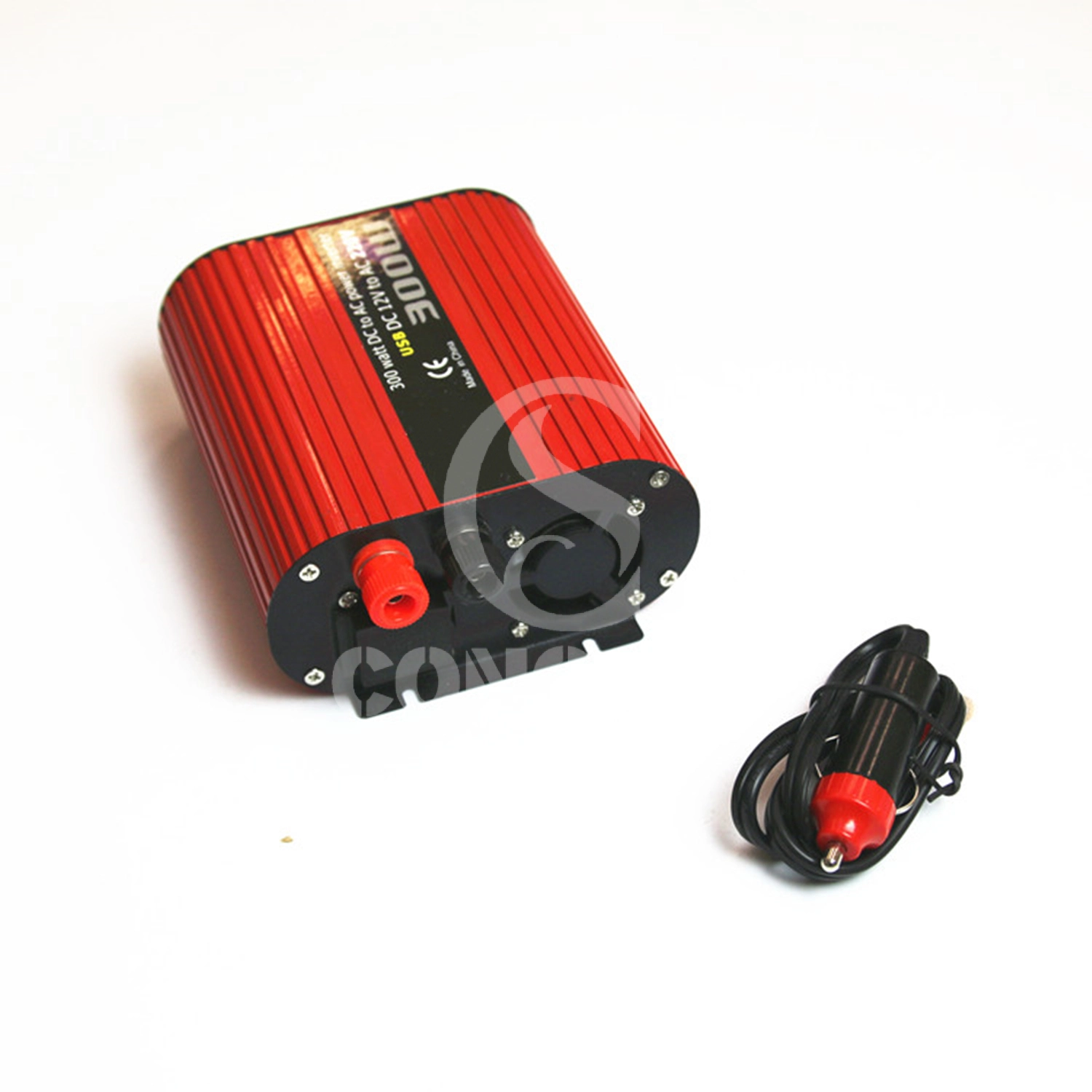
Congsin's Portable 150W Modified Sine Wave Inverter powers your journey! This versatile Car Power Inverter with USB acts as a reliable 12V to 220V converter, ensuring an essential off-grid power supply. With dual USB ports and a universal socket, enjoy convenient power on the go.
Get in Touch with Our Team
You can also communicate with us directly through our online contact form. Please fill in the following information, and our team will contact you as soon as possible after receiving your message.

CONGSIN is a trusted OEM factory for power inverters, solar charge controllers, and DC converters. Reliable solutions for global B2B buyers.
 High Quality
 7/24 Service
 Guaranteed Warranty
© 2025 Congsin. All Rights Reserved.
 WeChat
 Scan QR Code
sin cong
teaimei10
Whatsapp: +8618028086791
Scan QR Code